Cruise-ship guests love Copenhagen
Proximity to the city, quality of tourist attractions and excellent safety standards attract thousands of cruise visitors to CMP every year.
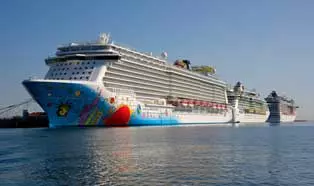
Over the summer season, impressive cruise ships as tall as ten-storey buildings, with room for a couple of thousand passengers, as well as smaller, elegant luxury yachts carrying about 100 people, will visit Copenhagen. Passengers will peer out from sundecks and private balconies at the green roofs and spires of the city. Although still associated with luxury and adventure, prices for cruise-ship holidays are now at a level most people can afford.
World-class metropolis
As many cruise visitors have discovered, Copenhagen is an attractive and inspiring city, one that charms tourists with its blend of modern and classical architecture. The number of cruises that start in or call at Copenhagen is on the rise, which means that one in four visitors to the city arrives as part of a cruise holiday. Advantages for tourists include the short distance from the ships to the city centre, the quality of the city's attractions, and the plentiful shopping opportunities. In short, Copenhagen is a world-class city.
More and more companies choose Copenhagen as a base for transferring passengers between cruises and taking on supplies, operations that require a high level of customer service and smooth, well organised logistics at every stage. CMP has developed a close working partnership with the airport, airlines, hotels and other tourist operators for the benefit of its cruise guests.
See a video from Langelinie cruise passenger visiting the fake mermade
Europe's best destination
The positive conditions for companies and customers have led to Copenhagen being named "Europe's Leading Cruise Destination" at the World Travel Awards five times since 2004. In 2005, Copenhagen was also named "World's Leading Cruise Destination".
The most popular destinations for cruises that start from Copenhagen are the Baltic Sea and the Norwegian coast. The Baltic States are the fastest-growing destination for cruises in Northern Europe – and their appeal is not based on palm trees and sandy beaches, but history and culture. Copenhagen and St Petersburg are the "jewels in the Baltic crown".
Cosy and beautiful Malmö
A major bonus to Copenhagen Malmö Port being one port situated in two countries is a visit to the cosy and beautiful Malmö being an alternative to the big city buzz of Copenhagen. It is not far away from the Port area to go to most amenities in Malmö. Theatres, museums, art galleries and exhibition facilities and a more than 800 shops are all within walking distance from the ship.
In Malmö there are also more than 300 cafés and restaurants to choose from. And the nickname of Malmö is “city of parks” and a walk through the greenery or a boat ride on the canals is a magnificent way to explore this beautiful and charming city.
Future requirements
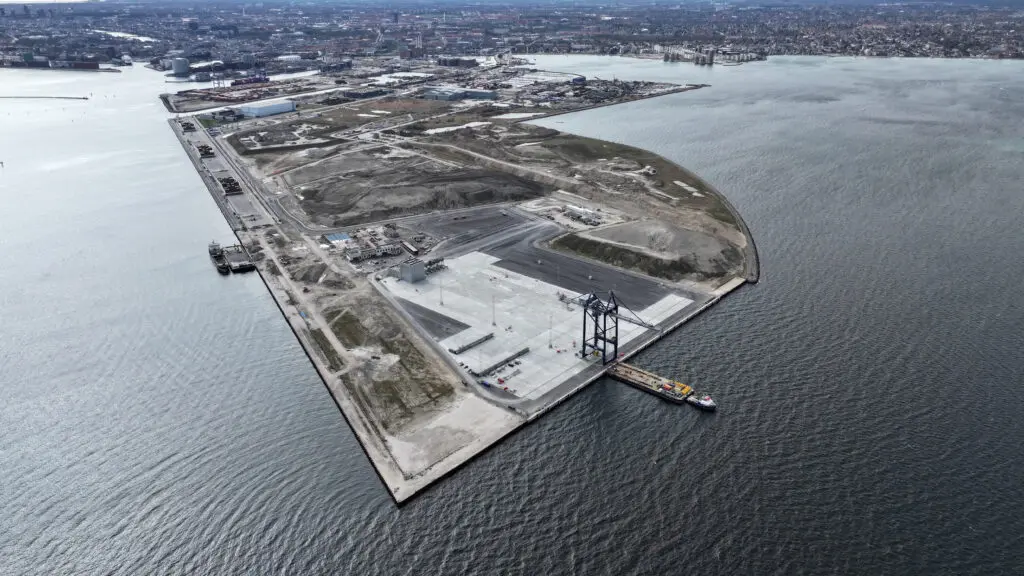
In order to meet the future demands and the steady increase in calls, the port is developing the facilities even further. A new 1,100 meter long and 70 meter wide dedicated cruise quay is expected to be in operation in Copenhagen in 2013.
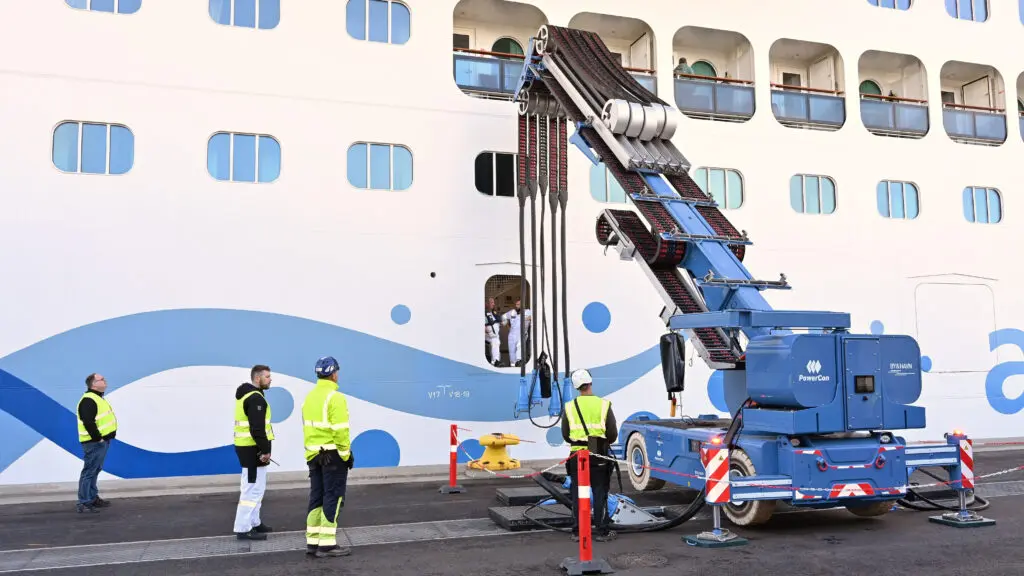
The southernmost part will be built on the existing coastline, while the remainder will require landfill. Permanent facilities for handling of waste water from the cruise ships will be incorporated in the pier which will also be prepared with power cables tubes for future investments in shore-based electrical power, all of which will reduce the environmental impact.
The new quay will mainly be used for turnaround calls in Copenhagen. “We’re looking forward to quickly gaining access to the new quay which will enable flexible terminals and support facilities for passenger service. At the same time, the solutions for cars, buses and taxi service will become much more efficient. The total investment will be about DKK 500 million (approximately US$ 90 million).
The Baltic Sea – a growing market
As a region, the Baltic Sea enjoys a share of around 50% of the North European cruise market, and growth in this area far exceeds overall growth in the cruise industry.
The route plied by Azamara Journey is typical of a Baltic Sea cruise. It embarks from Copenhagen and then visits Berlin (Warnemünde), Helsinki, St Petersburg, Tallinn, Stockholm and Lübeck, before returning to port 12 days later. The company that operates Azamara Journey runs six or seven of these cruises over the course of a season. Alternatively, you can sail north from Copenhagen with Costa Mediterranea, and spend ten days going all the way to the North Cape and back, calling at nine ports in the Norwegian archipelago along the way.
Copenhagen, along with other cities in ten countries around the Baltic Sea, is part of the Cruise Baltic partnership. It is also the most popular destination city in the partnership, followed by St Petersburg, Tallinn, Stockholm and Helsinki.
Better environmental management is the way forward for shipping companies
Cruise ships are floating mini-societies that consume lots of energy and produce a large amount of waste. Shipping companies are increasingly taking this into account, and the ships are becoming more and more environmentally friendly. All have their own environment officers, use bio-gas, have sewage-treatment facilities on board, purify the smoke from their engines, and recycle cans, bottles and bulbs.
CMP leads the way in several fields. Through its suppliers, the port runs an inexpensive and effective waste-separation scheme, and its forklift trucks and lorries run on environmentally friendly electric motors, not diesel engines.