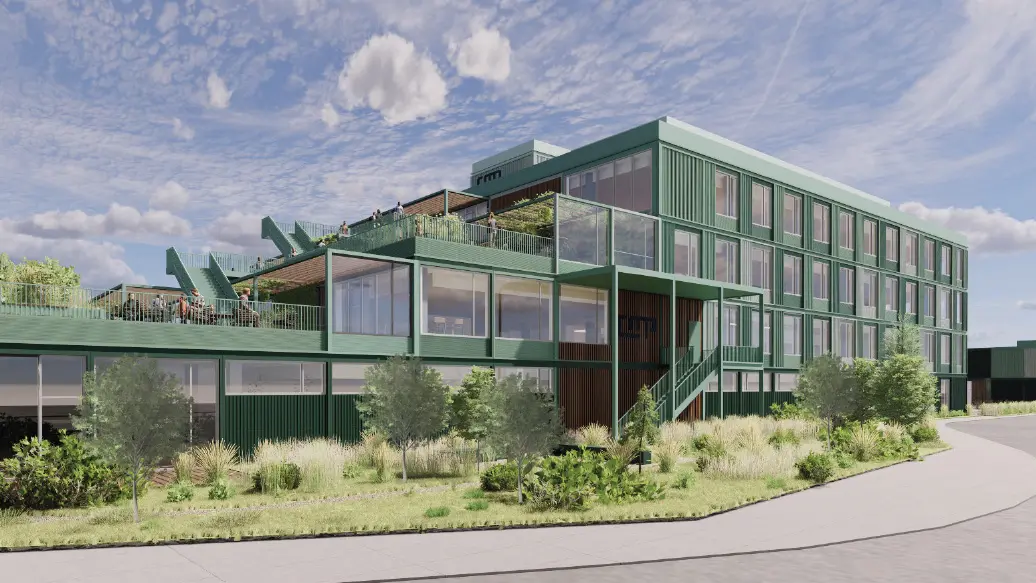
This is the story of CMP and the ports in Copenhagen and Malmö
Story
of CMP
The old Malmöghe
1170 is the first known instance of Malmö being mentioned in writing. At the time its name was Malmöghe, which roughly translated means “the sand piles.” Skåne was an important part of Denmark, and Malmö was a Danish city. The traffic across the strait was lively. The Copenhageners escaped customs when they sailed to Malmö.
The birth of the port
The Port itself began to be built in 1775. The industrialist Frans Suell was behind the initiative that allowed larger ships to unload and load goods directly at the quay. The expansion became profitable and gave a boost to trade and maritime shipping in the city.
The ferry link
When the expansion began, the Inre hamnen (Inner Port) was completed first with its high stone quays, built for sailing ships and later for ferry services to Denmark. The ferry station was used until the Öresund Bridge was inaugurated and boat traffic was decommissioned.
The Västra Hamnen
The Västra Hamnen (Western Port) was created via land infill in the sea. The work took off in the 19th century, when the industrial age made its entrance to Malmö. In the Västra Hamnen was an oil port. Later, the area became a hub for shipbuilding, via the company Kockums.
The railway connection
In the middle of the 19th century, the railway station was inaugurated on filled land east of the Port. The railway was of immense importance for the development of the Port –for both freight and passenger traffic – since Malmö was the end point of the Swedish rail network to the south.
Expansion of the Port
During the 20th century, operations mainly expanded in the Östra Hamnen (Eastern Port). Many companies in the heavy industry were established in the area. Even the oil terminal at Oljehamnen was moved here in the mid-1940s, where the large cisterns still today give the area a classic port profile.
Did you know?
Copenhagen’s original name, Køpmannæhafn, reflects its origin as a harbour (hafn) and place of commerce (køpmann).
The electric Port
The Free Port of Copenhagen, established in 1894, was the world’s first port to operate purely on electricity.
From fort to bulk terminal
Originally a maritime fort to protect the capital, Prøvestenen became storage for oil and gas in the 1930s – and was later expanded to store dry bulk from the inner harbour.
The first cruise dock
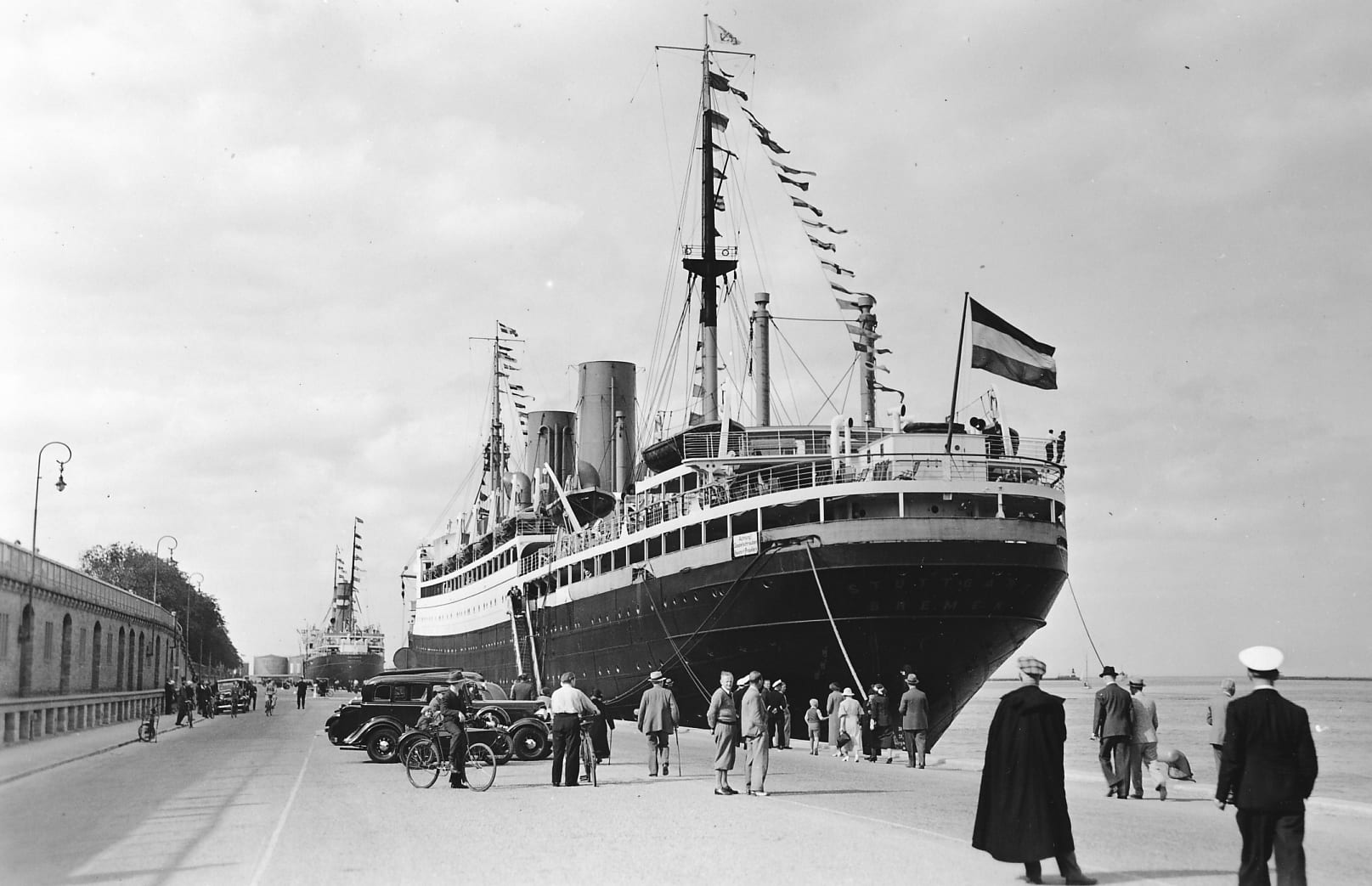
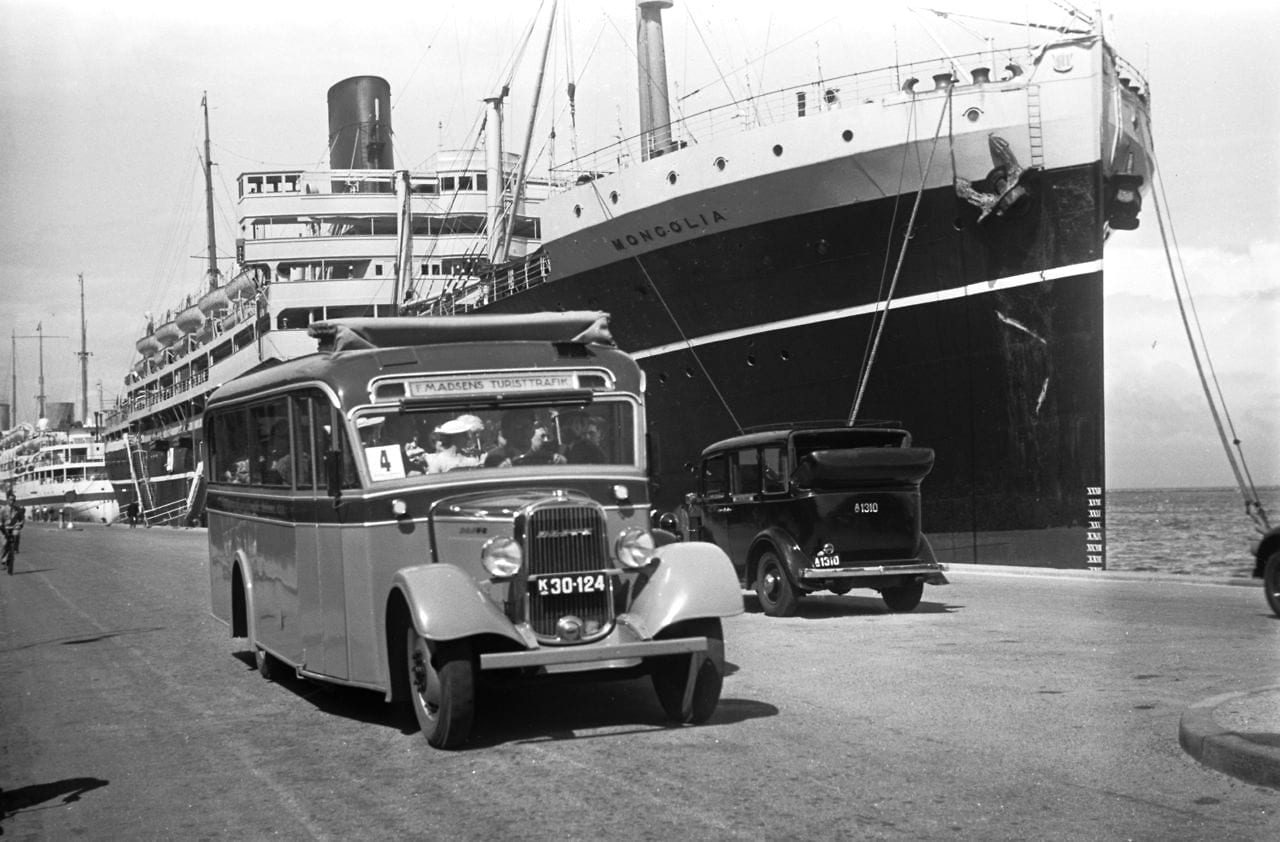
The first cruise dock in Copenhagen opened in the 1930s at Langelinie. But it wasn’t until the 1980’s that the cruise industry took off and Copenhagen became an important turnaround port.
The modern development
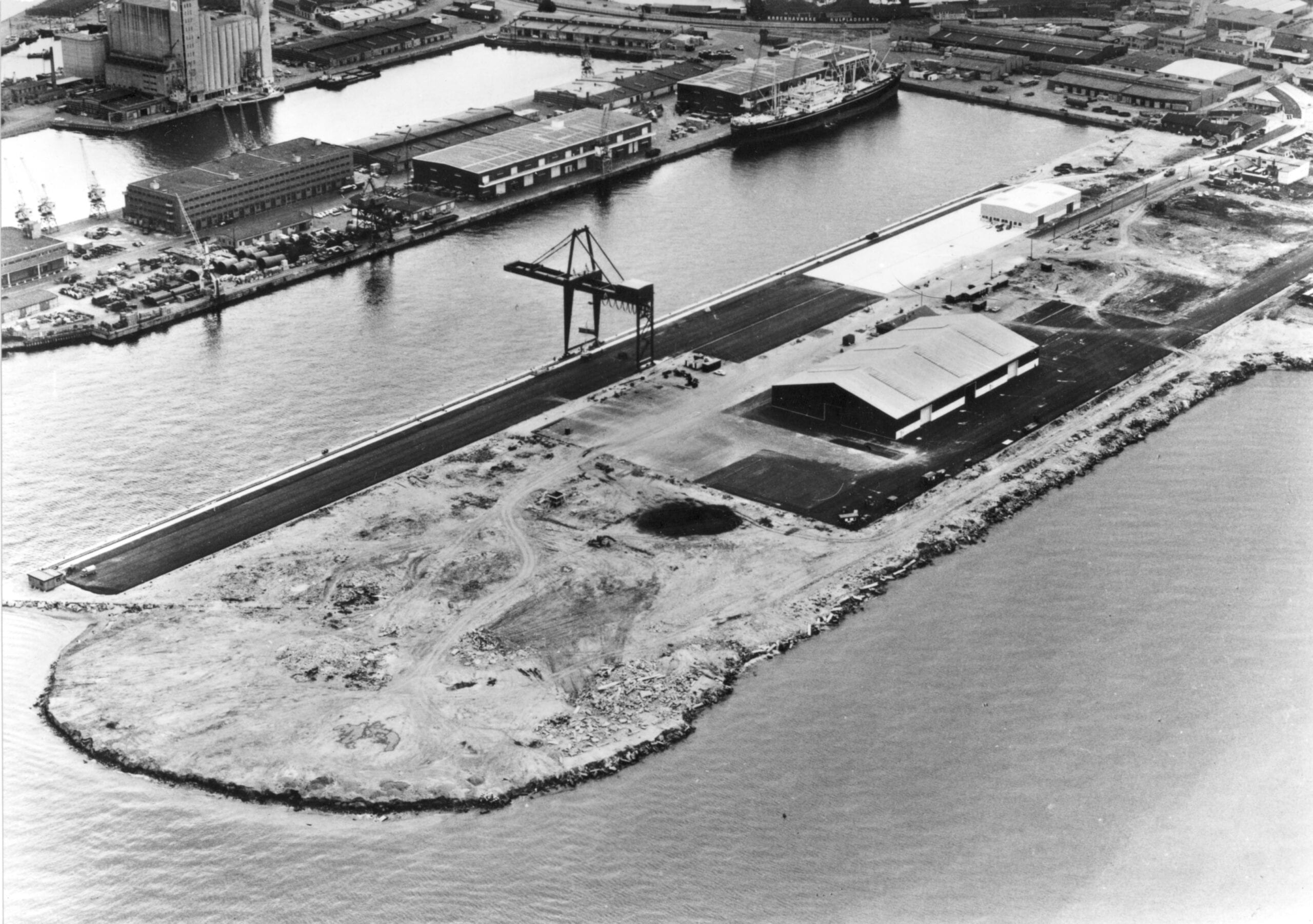
The 1980s was the decade when the industrial port headed into a new era. New technology and standards created a need for a more modern container port. The vast majority of the manufacturing industries relocated to an outer harbour such as Nordhavn.
2001
When the Öresund Bridge is inaugurated, the Ports of Copenhagen and Malmö merge to form Copenhagen Malmö Port (CMP) – the world’s only port with two home countries. CMP is a full-service port that receives all types of ships and handles all types of goods.
2002
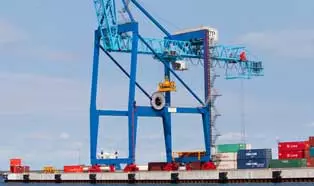
A new container crane started work in the Copenhagen container terminal.
2004
CMP approved as a ‘safe port’ in compliance with the International Maritime Organisation’s ISPS Code.
2004
New ferry terminal opens in Søndre Frihavn, Copenhagen.
2004
CMP’s terminals in Malmö awarded the ISO 14001 environmental certificate. The whole of CMP awarded the ISO 9001 quality certificate.
2005
Further two new car terminals open in Malmö. Today, the terminal is the size of 200 football pitches and is a logistics hub for 14 different car brands.
2005
CMP moves to a new personnel and administration building in Copenhagen.
2011
Norra Hamnen in Malmö is inaugurated. Three new cargo terminals mean that the freight capacity is increased fivefold. At the same time, noise and airborne emissions are reduced when freight ferries and lorry traffic are moved from the central parts of Malmö to Norra Hamnen.
2012
CMP is designated by the EU as a port of strategic interest (“Core Port”). The European Union’s most important ports are designated as a Core Port and become part of the infrastructure in which the EU invests the most resources in.
2013
Cruise traffic was established in Malmö, where a new terminal was opened.
2014
Malmö Industrial Park is established, directly adjacent to CMP’s facilities. It offers companies in the manufacturing and distribution of plots of industrial land. The proximity to the Port and its geographical location facilitates the distribution of goods in northern Europe.
2014
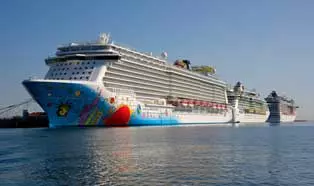
A new cruise terminal is inaugurated at Oceankaj in Copenhagen. The quay is 1,100 meters long and allows three large cruise ships to be received simultaneously. The modern terminal buildings increase the comfort of passengers and improve the service.
2017
Two new mobile cranes are in place in Swede Harbour in Malmö. They offer a significant increase in flexibility, as they are not track-based, and the lifting capacity is much higher than before.
2018
CMP opens a new cruise terminal on Gotland in Visby, which can accommodate two cruise ships simultaneously. Our ambition is to be a new attractive destination in the Baltic Sea
2019
New, smart terminal services are launched. In Copenhagen, all containers are registered digitally. This increases the quality of service and the speed of the flow of goods.
2021
Copenhagen’s first shore power facility is inaugurated at the terminal in Søndre Frihavn. The facility reduces the emissions from the ferries when they are in port, ensuring cleaner air –
for the benefit of the environment, and particularly the neighbors in Østerbro.
2024
CMP achieves a fossil-free fuel milestone at the container terminal in Copenhagen, with fuel consumption in container handling now being entirely fossil-free.
2025
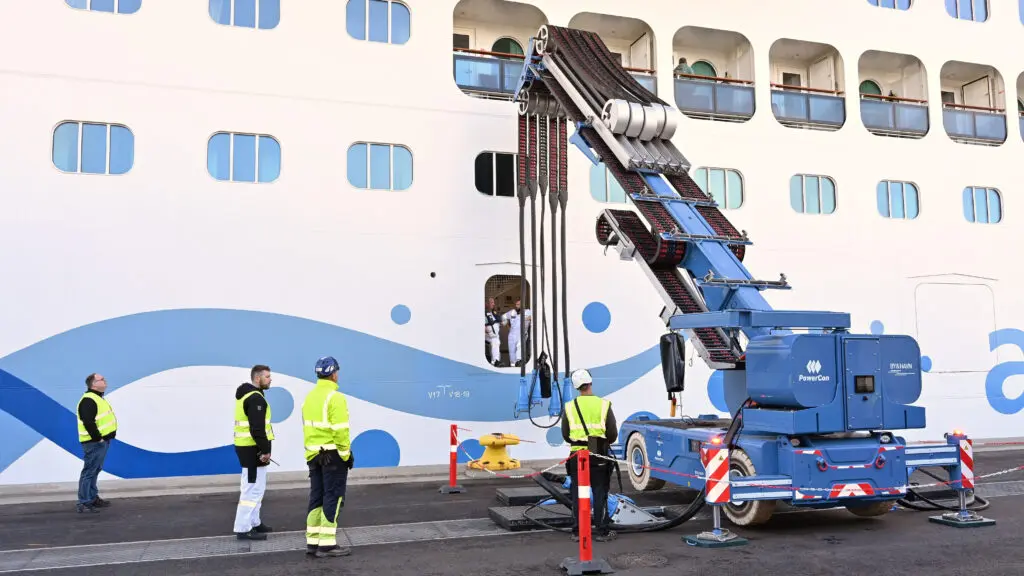
Copenhagen’s new shore power facility is inaugurated by HM King Frederik X of Denmark at CMPs Oceankaj terminals. The first ship to connect to the facility is AIDAnova from AIDA cruises.
Ocean Valley
Ocean Valley – Our dream is to make CMP a maritime hot spot for education, innovation, knowledge, and business. To join forces with universities and start-ups and set new standards for the future of maritime innovation.
The green way
The seaway is the green way when transporting goods and cargo – CMP will add to this position by offering more intelligent solutions optimised for new consumer patterns and lifestyles.
Sustainable cruise
Our vision is to build a greener and more sustainable cruise tourism by minimising environmental impact by means of e.g. shore power supply and other innovative technologies, and by optimising the flow of passengers through nudging, geo-tracking and new technology.
A new location
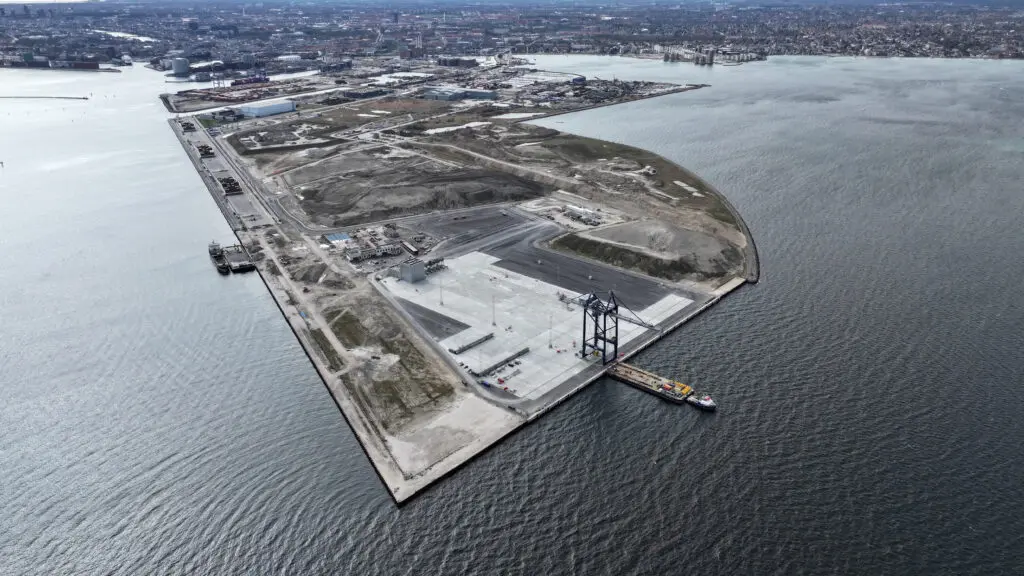
Due to urban development, CMP will relocate our container terminal to Ydre Nordhavn. Simultaneously, we are adding a new cruise terminal at Oceankaj to handle large cruise ships and an increasing number of passengers.
The digital Port
Digital services have created new possibilities for monitoring freight flows. For CMP and other parties in the logistics chain, planning is simplified in a manner that reduces waiting times, increases efficiency, and limits negative environmental impact.